Pops and bangs: how overrun works, and when to avoid it
Overrun effects are tuned deliberately, not dumped in. An explanation of what is happening in the exhaust — and the cases where we advise against it.
By RevX Workshop
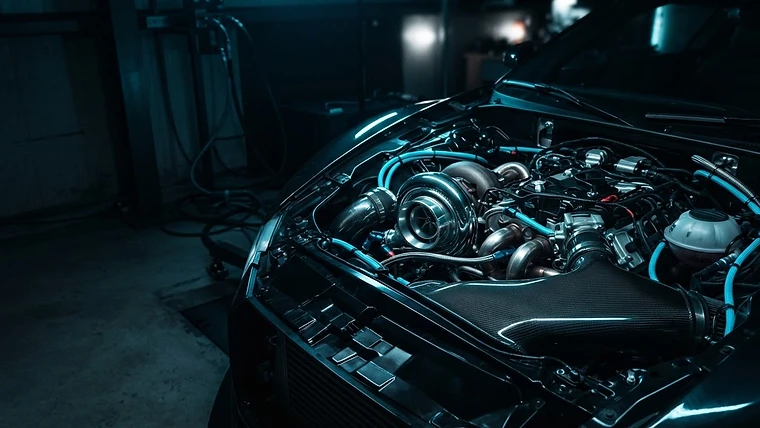
What is actually happening
On a closed throttle, a normal calibration cuts fuel. An overrun calibration keeps a small amount of fuel burning late, so it ignites in the exhaust manifold instead of the cylinder. That is the crackle you hear.
It is not a guess
We control three things: how much fuel is left in, how far ignition is retarded, and the rev window where it happens. Get any of those wrong and you get noise that damages exhaust components rather than an effect that sounds deliberate.
Where we advise against it
- Cars with a standard catalyst and a recent emissions test approaching.
- Vehicles with an older, thin-walled exhaust system.
- Any car used for long motorway journeys, where the drone becomes tiresome.
Legality
Overrun effects can affect MOT emissions readings. If your test is due soon, book the calibration after it, or ask us to make the effect switchable.
What we recommend
The best setups are subtle: a controlled crackle on lift-off at moderate revs, and nothing when you are cruising. Talk to us about intensity before booking — we will build it to your preference.
Ready to calibrate your car?
Check the estimated gains for your vehicle, or send us a request and we will confirm what is possible.